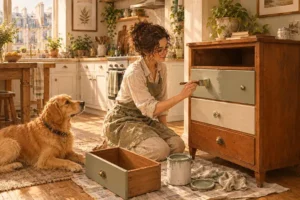
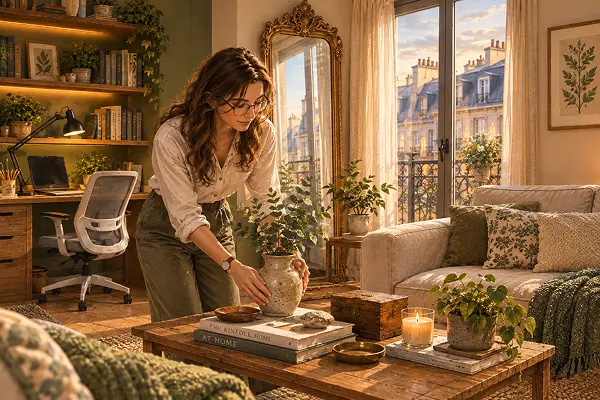
If you want to build a timeless capsule home decor collection that elevates your urban apartment without succumbing to fast-moving interior trends, shifting your consumer mindset is the absolute first step. For a very long time during my twenties, I used to redecorate my living space frequently. It was that reactive, exhausting cycle we all know too well: buying inexpensive, mass-produced plastic ornaments, trendy colorful cushions, and cheap trinkets, only to replace them eighteen months later when the algorithms declared a new interior trend. My flat looked entirely different every year, but it never looked particularly sophisticated or grounded.
The turning point came when I stopped purchasing decorative objects reactively. I forced myself to sit in an empty room and deeply consider what materials I actually wanted to live with every single day, rather than what was currently trending on social media.
A curated interior collection consists of a small, highly intentional number of considered objects that work together indefinitely. These pieces survive multiple moves because they are chosen for structural quality, material integrity, and personal meaning rather than fleeting commercial fashion. Here is a practical, sustainable guide to building a home aesthetic that grows with you.
The Environmental and Financial Cost of Trend-Driven Spaces
Modern home decor trends move at an alarmingly rapid pace, and the mass-produced objects they generate are specifically manufactured to a low price point that matches their intended lifespan: short. Buying trend-driven decor creates a wasteful cycle of constant purchase and disposal that is both financially inefficient for your wallet and environmentally costly for our planet.
The truly sustainable alternative to this consumer trap is not seeking elusive “timeless pieces”, a marketing phrase that corporate brands throw around that means very little. Instead, it relies on the quiet discipline of buying fewer, better things that you genuinely love and plan to keep for a decade.
Core Principles of a Curation-First Home
To build an intentional collection that anchors your small apartment, base your future purchases on three foundational pillars:
1. Material Longevity and Patina
Objects crafted from natural materials—such as raw ceramics, solid wood, mouth-blown glass, natural stone, and cast metal—age completely differently from their synthetic, plastic alternatives. Rather than looking worn out, scratched, or degraded over the years, natural materials develop a stunning patina. This unique visual quality comes from genuine, everyday use over time and cannot be replicated in a factory. A beautiful handmade ceramic bowl used daily on your kitchen counter for ten years will look infinitely better than it did when it was brand new. A plastic equivalent simply does not survive that test of time.
2. Personal Meaning Over Aesthetic Trends
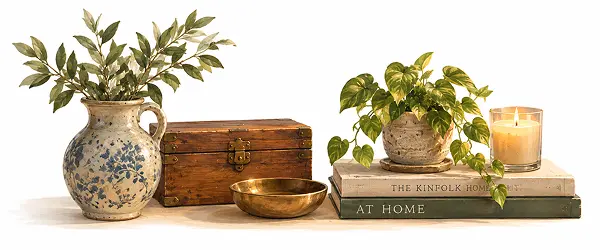
The physical objects in a home that truly endure are almost always the ones that carry an intimate personal narrative. It might be a rustic stoneware jug bought at a local artisan market in a European city you loved visiting, a graphic print that has spoken to your soul across multiple apartment moves, or a beautiful vintage wooden box inherited from a grandparent. These objects never go out of style within your home because their baseline value is emotional, not stylistic. They anchor your identity into the architecture of the room.
3. Functional Beauty in Small Spaces
In a compact urban apartment, every square centimetre must earn its place. Purely decorative dust-gatherers often end up cluttering your sightlines and causing visual anxiety. The solution is prioritizing objects that marry high utility with aesthetic elegance. A beautifully carved wooden bowl that holds your keys in the entryway, an artisan ceramic pitcher used as a flower vase, or a heavy brass paperweight on your desk are objects that you see and interact with daily. They actively contribute to the quality of your everyday life rather than just occupying physical space on a shelf.
Building Your Collection Gradually (The Two-Week Rule)
A true home collection is built slowly over years of intentional living, not assembled during a single weekend shopping session at a mass-market retail chain. If you want to master this slow approach, implement these simple, practical guidelines:
- The Absence Test: Before purchasing a new decorative object, live without it for at least two weeks. Test whether its absence creates an actual functional or aesthetic gap in your room, or if you completely forget about it after three days.
- Quality Over Quantity: Invest your budget into one single, breathtaking object crafted by an independent artisan rather than buying three mediocre, factory-made items to fill an empty corner. One striking piece commands a room; three cheap pieces crowd it.
- Traceable Craftsmanship: Prioritize sourcing items directly from independent homeware producers, local potters, and independent woodworkers. Knowing who made your object adds an invisible layer of value that mass production can never replicate.
- The Vintage Advantage: Secondhand, antique, and vintage objects inherently possess the high structural quality and natural patina that modern items at the same price point completely lack.
Essential Elements to Focus On First
If you are clearing away the fast-fashion clutter today and want to start your capsule collection from scratch, focus on these four foundational elements:
- Versatile Ceramic Vessels: Invest in one or two heavy stoneware or porcelain vases in neutral, earthy tones. These can beautifully hold fresh seasonal flowers, dried autumn botanicals, or sit completely empty as standalone structural sculptures.
- Meaningful Wall Art: Curate a small number of high-quality prints or original artworks that you have lived with and genuinely returned to emotionally across multiple moves.
- Natural Textural Accents: Incorporate found organic objects that require zero commercial curation because nature already styled them perfectly—a smooth river stone, a sculptural piece of beach driftwood, or a beautiful pinecone.
- One Premium Atmosphere Light: Invest in one exceptional, high-quality designer table lamp or task light that single-handedly defines the cozy atmosphere of your main living room when evening arrives.
The Objects That Survive the Move
When I look around my current living room, the specific objects that have successfully survived four separate apartment moves across ten years all share the exact same qualities: they are constructed from resilient natural materials, and they mean something profound to me specifically. Not to a general public, not to a social media algorithm, but to me.
Take a quiet moment to identify the few objects in your current home that you could absolutely not imagine leaving behind. Those beautiful, meaningful items are the true foundation of your capsule home decor collection. Everything else is completely optional.
About Olivia
Olivia is an international lifestyle and home styling writer dedicated to small-space efficiency, sustainable interior design, mindful consumer habits, and practical ideas that help modern renters build beautiful, intentional, and comfortable homes.